
<div style="display:inline;"> <img height="1" width="1" style="border-style:none;" alt="" src="www.googleadservices.com/pagead/conversion/1070739777/?label=GvnACN6gx3IQweLI_gM&amp;guid=ON&amp;script=0">

CME Insider's Blog Posts

Choosing the Right C-Arm: What to Consider

By CME Corp Staff on January 27, 2026

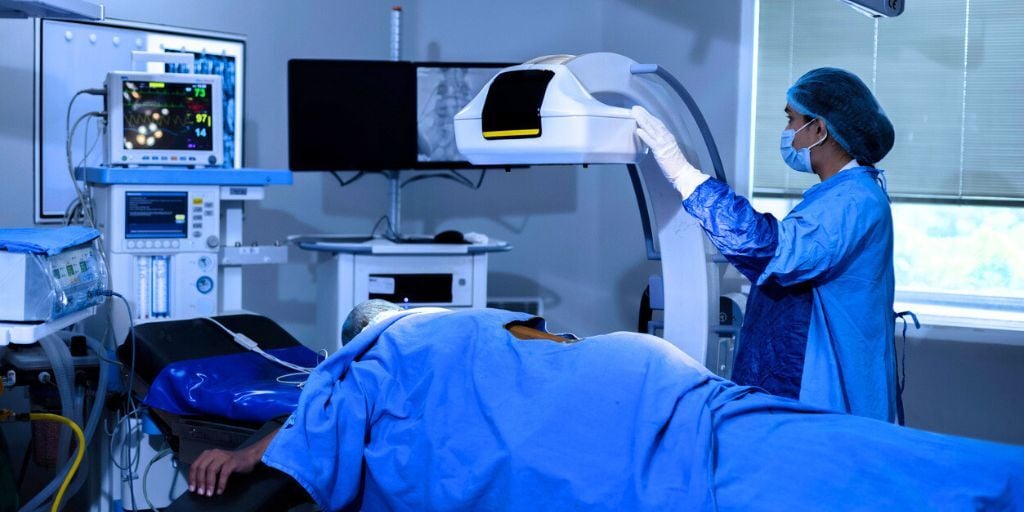
Is it even possible to imagine healthcare before the C-Arm? Possible, but not a great image. These days, C-Arms are healthcare essentials. They support a wide range of applications, including surgical navigation, pain management, orthopedics, trauma, and interventional procedures.

C-Arms can influence patient outcomes, staff safety, procedural efficiency, and long-term financial performance making the selection of the right C-Arm a strategic decision rather than solely an operational one for hospitals and surgery centers seeking to expand imaging capabilities beyond fixed radiography rooms,
Read More

Stop Losing Revenue: Upgrade Aging Medical Equipment

By CME Corp Staff on January 20, 2026

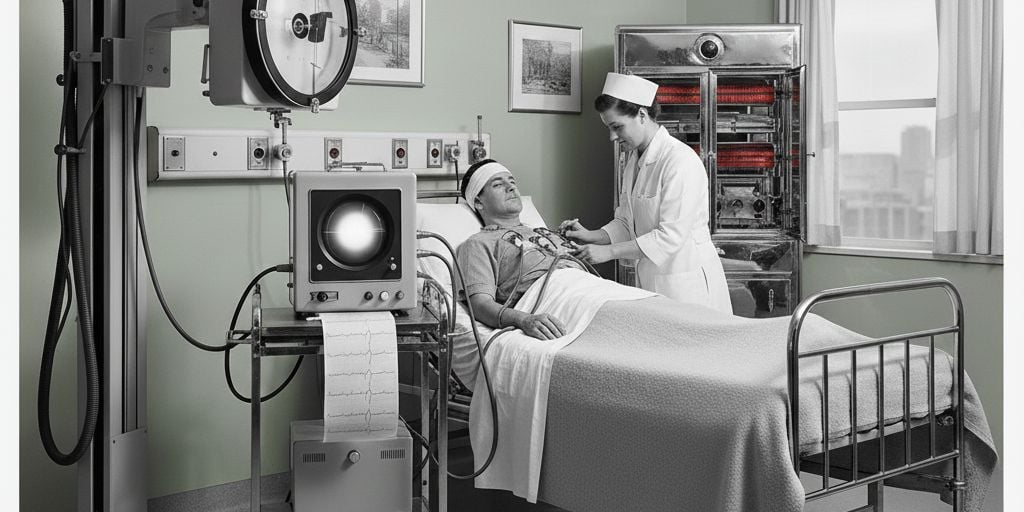
Healthcare equipment technology advances move quickly. If you walk into a patient room today, you will see equipment that didn't exist a decade ago. For hospitals and ambulatory surgery centers (ASCs) the decision to replace aging equipment is no longer about waiting for something to break. It is a strategic calculation that involves patient safety, financial health, and staying competitive in an increasingly digital landscape.

Read More

Top 10 Medical Equipment Essentials Hospital Nurses Rely On

By CME Corp Staff on January 13, 2026

Nursing is, at its core, a heart-driven profession built on compassion, dedication, and human connection. Yet it also depends on reliable medical equipment.

The right tools do not just help improve patient outcomes, they can also make workflows more efficient and help protect staff as they go about the business of delivering care.

Read More

What are the Different Types of Nuclear Cameras?

By CME Corp Staff on January 06, 2026

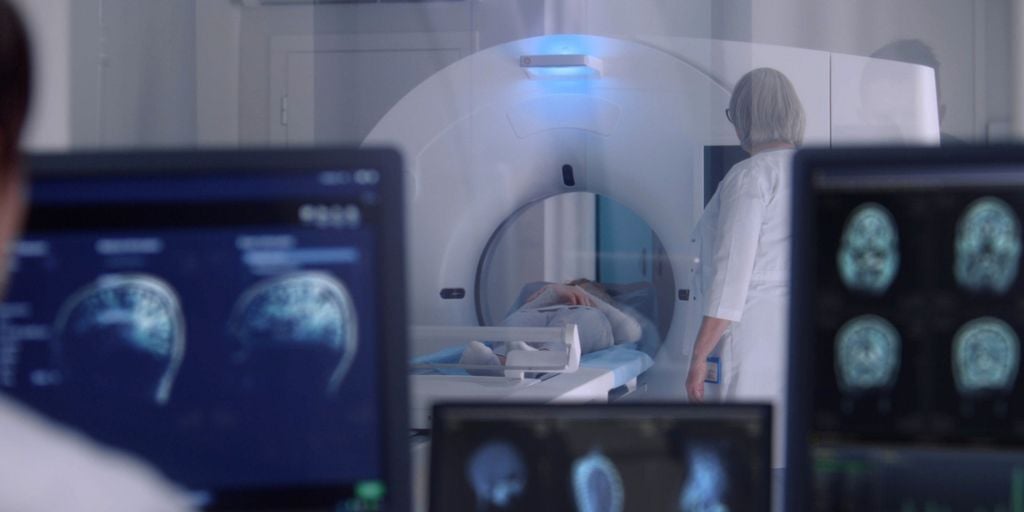
In the rapidly advancing world of medical imaging, nuclear cameras, also known as gamma cameras or emission scanners, serve as the "physiologists" of radiology. Unlike X-rays or CT scans that primarily map the body’s anatomy, nuclear cameras visualize how the body functions at a molecular level. By detecting radiopharmaceuticals as they travel through organs, these cameras help clinicians identify diseases like cancer, heart conditions, and neurological disorders long before structural changes become visible.

Read More

Join the CME Insider's Blog Community

Search by Keyword

  • There are no suggestions because the search field is empty.

Search Blogs By Tag

See More

Popular Blogs