
<div style="display:inline;"> <img height="1" width="1" style="border-style:none;" alt="" src="www.googleadservices.com/pagead/conversion/1070739777/?label=GvnACN6gx3IQweLI_gM&amp;guid=ON&amp;script=0">

CME Insider's Blog Posts

Blood Drawing Chair Buying Guide

By CME Corp Staff on July 28, 2026

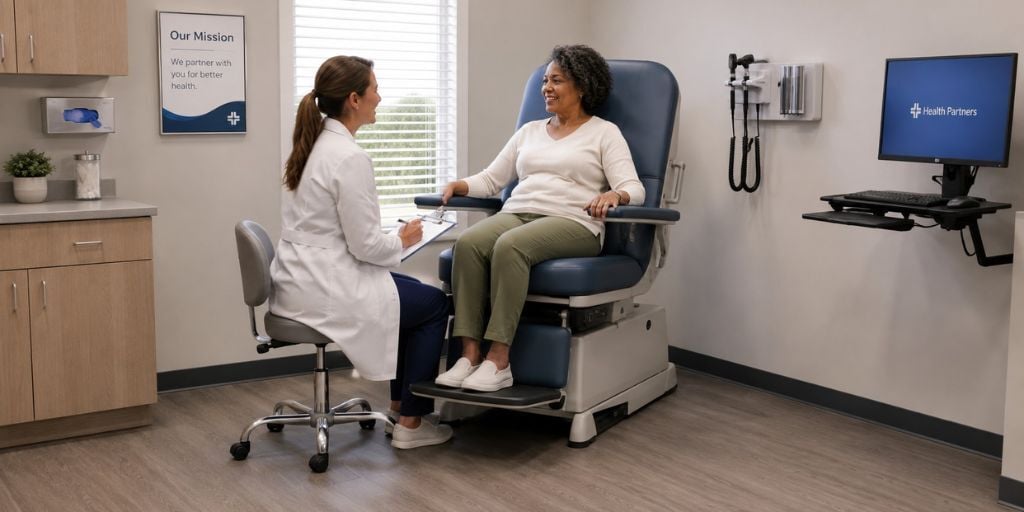
Blood drawing chairs may look like basic clinical furniture, but in reality, they can affect patient comfort, staff efficiency, room layout, cleaning routines, and daily phlebotomy workflow.

Healthcare organizations should evaluate them as clinical workstations rather than simply as seats.

This buying guide explains what to look for, how major chair types compare, and which questions buyers should ask before placing an order.
Read More

MDE Accessibility Planning: Avoiding Risky Assumptions

By CME Corp Staff on July 21, 2026

Medical diagnostic equipment accessibility is an important compliance requirement that is increasingly influencing equipment acquisition decisions. While many facilities focus on accessible entrances, parking, and restrooms, patients also need to be able to safely use exam tables, scales, imaging equipment, dental chairs, and other diagnostic equipment during routine care.

Read More

Standardized Cardiology Workflows Can Help Elevate Care Across a Health System

By Baxter on July 14, 2026

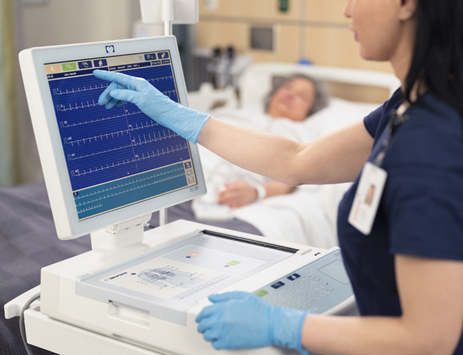
Cardiovascular disease remains one of the most significant clinical and financial challenges facing healthcare organizations today. As health systems work to improve outcomes for patients with heart disease and stroke, they must also navigate staffing shortages, rising operational costs, fragmented technology environments, and increasing demands for clinical efficiency. These challenges can limit access to critical patient information and create barriers to timely, informed clinical decision-making.

Read More

Medical Procedure Chairs: What Healthcare Facilities Need to Know

By CME Corp Staff on July 07, 2026

Medical procedure chairs have become a common upgrade for clinics, physician practices, specialty departments, ambulatory surgery centers, and other care environments where patient positioning matters. Traditional exam tables still have a clear role in routine examinations, but many facilities are finding that procedure chairs offer more flexibility for exams, minor procedures, specialty care, and patient transfer needs, especially in light of recent changes to ADA requirements for MDE.

Procedure chair selection is a purchasing decision with operational consequences. Facilities should look beyond the product photo and compare how each chair fits the patient population, procedure mix, available room space, workflows, cleaning protocols, and maintenance expectations.

Read More

Join the CME Insider's Blog Community

Search by Keyword

  • There are no suggestions because the search field is empty.

Search Blogs By Tag

See More

Popular Blogs